
One of the more interesting elements of Silent Hill: Townfall is its departure from series convention. It’s the first full Silent Hill in first-person, yes, but it also takes place in Scotland, being the second game in the franchise to go beyond US shores after Silent Hill f.
I played Silent Hill: Townfall for about three hours during a press event in LA this July, and even had some time to chat with Jon McKellan, lead writer and director of Townfall, and Motoi Okamoto, lead Silent Hill producer since 2019. Both of these men play critical roles in not just the success of Silent Hill: Townfall, but the broader Silent Hill franchise as well. For his part, McKellan needs to usher Townfall into the greater SH lineup while living up to immeasurable expectations, whereas Okamoto has been the steward of the series’ ongoing renaissance, which kicked off with the excellent Silent Hill 2 remake in 2024. As such, I was interested in learning more about how they feel Silent Hill: Townfall slots in to Silent Hill as a franchise, and how it compares to the IP’s other, most beloved entries.
-

-

-
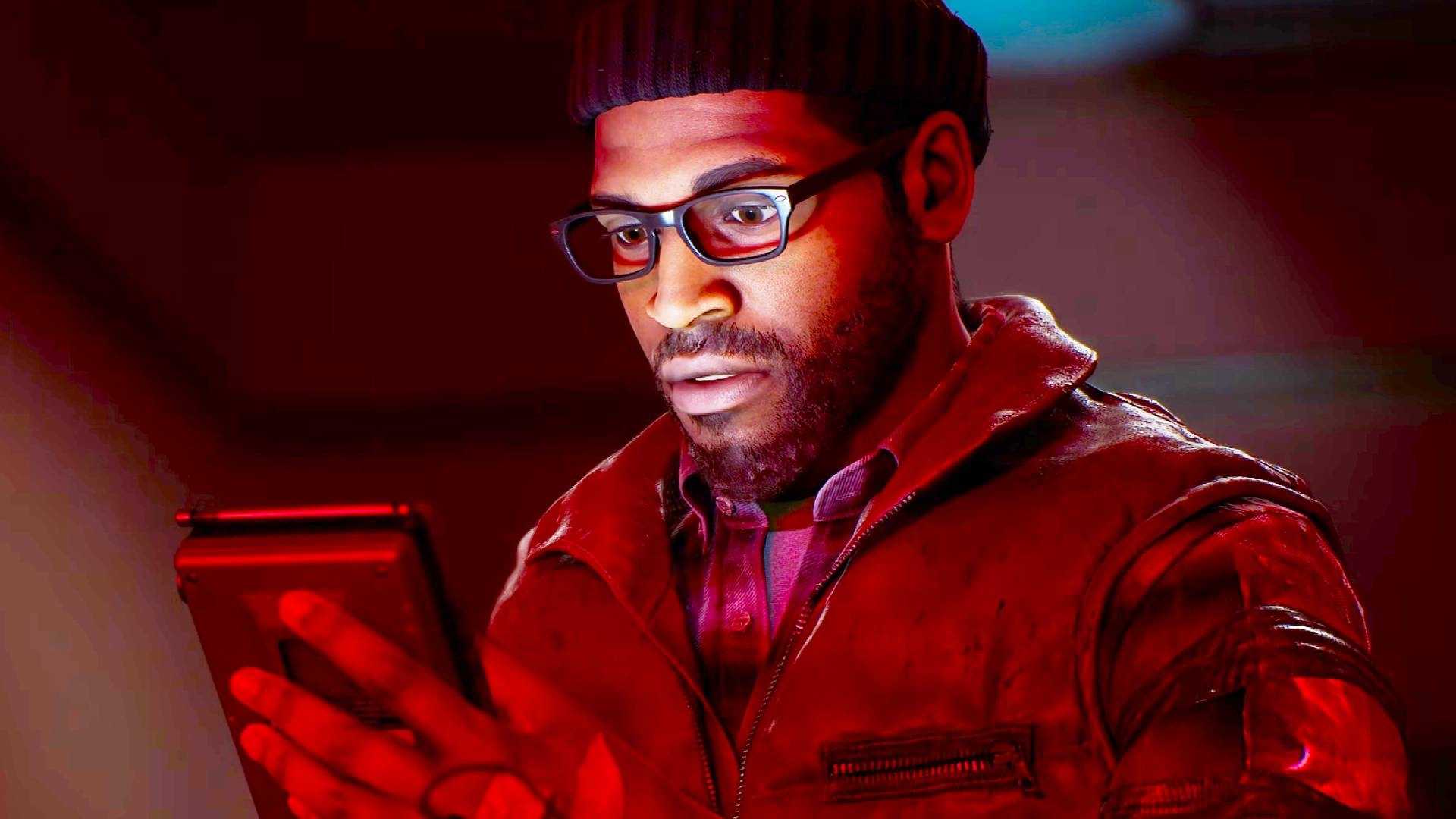 Image via Konami, Annapurna Interactive
It’s almost cliché to say at this point—the game has been so seminal and foundational that you can see its DNA in just about every modern horror release—but Silent Hill: Townfall reminds me quite a bit of Silent Hill 2. It’s not totally aping that game’s style, but it’s got similar vibes: Townfall‘s protagonist is searching for a mysterious woman in a once-charming vacation town, there are numerous suggestions of severe past trauma, and intimate relationships are ostensibly more central than cult activity. And of course, it’s almost impossible to not think of the ill-fated P.T. when analyzing Silent Hill: Townfall‘s first-person perspective.
According to Okamoto, while the Silent Hill 2 comparisons aren’t unfounded, Townfall has a specific narrative layer that sets it apart from its predecessors.
There are definitely many ways that Silent Hill: Townfall is similar to Silent Hill 2. But I think the one thing that makes Townfall stand out is that it has its own take on social commentary: it’s a game that explores the perspective of an individual, but also society at large, and the impact of corporations.
This corporate-social struggle was hinted at several times during my Silent Hill: Townfall preview, although it’s hard to speak on many specifics at this point. What’s clear is that St. Ameila, the fictional town where Townfall takes place, has suffered greatly at the hands of C.E.G., a shadowy energy company. The figurative debris from C.E.G.’s relationship with St. Ameila is obvious thanks to Silent Hill: Townfall‘s great environmental storytelling, and Okamoto’s comments about the role of corporations and “society at large” in the game only reaffirm the intended significance of this corp-centric conflict. This is admittedly quite a new direction for a series that is usually more concerned with the psychology of a particular character or group of characters.
Director Jon McKellan Acknowledges Comparisons, but Maintains That Silent Hill: Townfall Is Going Its Own Way
McKellan also partially agreed with the Silent Hill 2 comparison, though he adopted a more eagle-eyed view of the franchise and what it means to players.
“I think there are different Silent Hills for different people. There are definitely some people that feel like Silent Hill 2 is the biggest and best thing that’s happened to the series, and then you have SH1 and SH2, which represent a different storyline. What we have tried to do is find out what exactly Silent Hill means to us.
We want to pull people in with things that feel distinctly Silent Hill. There are shades of Silent Hill 2, shades of P.T., but we start to subvert those expectations as Townfall plays out. So by the end of the game, you’re going to feel like Townfall is something that’s completely unique to the rest of the series, but still feels like Silent Hill. We want to land on all those different series touchpoints so that fans feel connected to what we’ve done.
We are taking a few new steps for the franchise: being in first person, innovating with stealth mechanics. There’s a lot of new stuff in there, so it’s important to kind of ground it in the things that people know. The main thing for us is leaning into those expectations, then starting to subvert them as the game progresses.”
I have to agree that Silent Hill: Townfall, at least with respect to the few hours of it I played, certainly feels distinct from other Silent Hill projects. The first-person perspective mixed with stealth and a surprising amount of combat puts it in a totally different camp from not only the mainline Silent Hill games, but also P.T., whose first-person perspective is one of its most essential features. At the same time, I see how Screen Burn is trying to “ground it in the things that people know,” as McKellan says. There are surface-level similarities, like the fog and the Otherworld, but also more intangible aspects, like tone and a firm commitment to ambiguity.
McKellan’s claim that Townfall is going to “subvert” the expectations of Silent Hill fans is particularly interesting to me. Townfall isn’t directly connected to the plot of any other Silent Hill games from what I can tell, so I assume these subversions will be more about conventions or trends than actual plot points.
Then again, Silent Hill f steeps itself in the same broad-strokes lore of the other Silent Hill games, what with the intense fog, cult activity, and the role of the hallucinogenic White Claudia, so maybe Silent Hill: Townfall will have similar connections. Being set in 1996, during or shortly after the events of the first two Silent Hill games, a firmer, clearer link between it and the series’ other games is certainly plausible. In this case, there would be far more to subvert. This would be risky, but also fun to watch unfold.



- Released
-
September 24, 2026
- ESRB
-
Mature 17+ / Blood, Strong Language, Violence
- Developer(s)
-
Screen Burn
PakarPBN
A Private Blog Network (PBN) is a collection of websites that are controlled by a single individual or organization and used primarily to build backlinks to a “money site” in order to influence its ranking in search engines such as Google. The core idea behind a PBN is based on the importance of backlinks in Google’s ranking algorithm. Since Google views backlinks as signals of authority and trust, some website owners attempt to artificially create these signals through a controlled network of sites.
In a typical PBN setup, the owner acquires expired or aged domains that already have existing authority, backlinks, and history. These domains are rebuilt with new content and hosted separately, often using different IP addresses, hosting providers, themes, and ownership details to make them appear unrelated. Within the content published on these sites, links are strategically placed that point to the main website the owner wants to rank higher. By doing this, the owner attempts to pass link equity (also known as “link juice”) from the PBN sites to the target website.
The purpose of a PBN is to give the impression that the target website is naturally earning links from multiple independent sources. If done effectively, this can temporarily improve keyword rankings, increase organic visibility, and drive more traffic from search results.